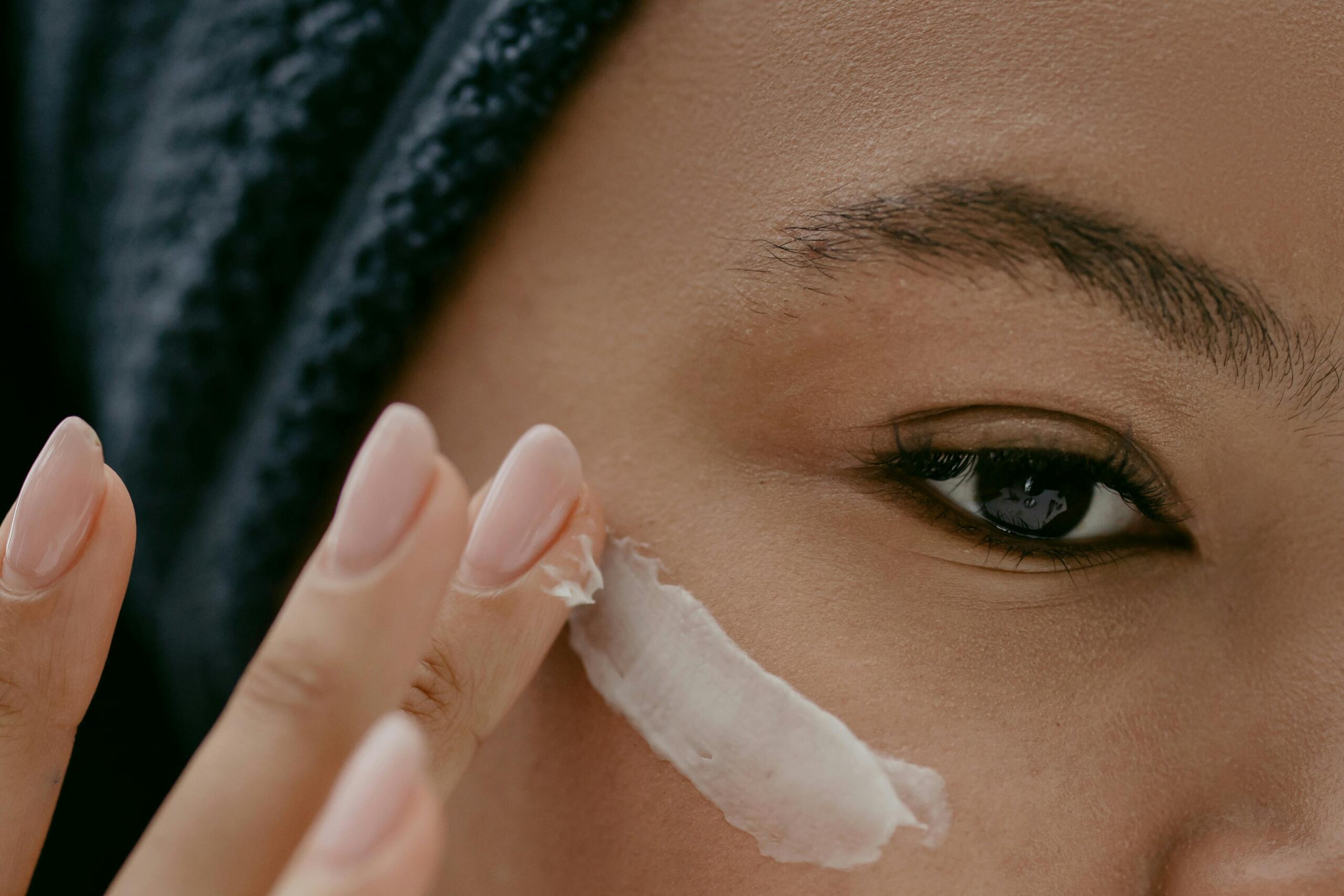
As I look at my own skin, I feel like I’ve been pretty lucky.
I’ve had minimal acne, relatively smooth texture, and fairly even skin tone.
But there’s one thing that consistently bothers me — and apparently, other people notice it too.
My under-eye bags.
I’ve lost count of how many times I’ve heard:
“Are you tired?”
“You look exhausted.”
Which is honestly a little annoying, especially when I’m not tired at all.
I sleep well, eat decently, and don’t smoke or drink often — so it made me wonder:
👉 Is this just genetics?
👉 Or is there actually something I can do about it?
What Actually Causes Eye Bags?
According to the Mayo Clinic, under-eye bags are mainly caused by structural changes in the skin.
As we age (and sometimes just due to genetics):
• the muscles supporting the eyelids weaken
• skin begins to sag
• fat that normally sits around the eye shifts downward
• fluid can collect under the eyes
This creates that puffy, tired appearance.
Other factors can make it worse:
• lack of sleep
• high salt intake (fluid retention)
• allergies
• smoking
• genetics
Can Eye Bags Actually Be Fixed?
Short answer: kind of — but not completely.
There’s an important distinction:
👉 You can’t remove fat pads without medical procedures
👉 But you can reduce the appearance significantly
That’s where skincare and lifestyle come in.
Quick Fixes (Temporary, But Effective)
These are helpful, but they don’t address the root cause:
• cold compresses (reduce swelling fast)
• caffeine products (tighten blood vessels temporarily)
• sleeping with your head elevated (prevents fluid buildup)
Lifestyle Changes That Actually Help
These are simple but make a noticeable difference over time:
• reduce salt intake
• stay hydrated
• aim for 7–9 hours of sleep
• manage allergies
The Science-Backed Ingredients That Actually Work
Even though topical products can’t remove fat, certain ingredients are proven to improve the look of under-eye bags.
Retinoids (Retinol & Tretinoin)
Often called the gold standard in skincare.
Retinoids work by:
• boosting collagen production
• thickening the thin under-eye skin
• improving skin texture
This helps make underlying fat and blood vessels less visible.
Key difference:
• Retinol → gentler, over-the-counter
• Tretinoin → prescription, much stronger
Tretinoin works faster, but also comes with a higher risk of irritation.
Caffeine
Caffeine is a vasoconstrictor, meaning it tightens blood vessels.
This helps:
• reduce puffiness
• improve circulation
• “de-puff” the under-eye area quickly
Peptides
Peptides like Palmitoyl Tripeptide-1 and Tetrapeptide-7 help:
• strengthen skin structure
• improve elasticity
• reduce the “heavy” look under the eyes
Vitamin C
Vitamin C helps by:
• brightening dark areas
• increasing skin thickness
• smoothing the transition between under-eye and cheek
Retinol vs. Tretinoin (What I Learned)
This was one of the most interesting parts of my research.
All retinoids need to become retinoic acid to actually work in the skin.
Here’s how it works:
• Retinol → converts → retinal → converts → retinoic acid
• Retinal → converts once → retinoic acid
• Tretinoin → already retinoic acid (active immediately)
👉 Fewer steps = faster, stronger results
But also…
👉 More irritation risk
Important: The Under-Eye Area Is Delicate
The skin under your eyes is up to 60% thinner than the rest of your face.
That means:
• it’s more sensitive
• it’s easier to irritate
• strong actives need to be used carefully
How to Use Retinoids Safely
• start with a retinol eye cream
• apply only to the orbital bone (not directly under lashes)
• use the “sandwich method” (moisturizer → retinoid → moisturizer)
• only apply at night
• always wear SPF during the day
Products I’d Actually Consider Trying
Here are a few options backed by ingredients and formulation:


Medik8 Crystal Retinal Ceramide Eye Cream

Dr. Dennis Gross Advanced Retinol Triple Correction Eye Serum


My Takeaway
After researching all of this, here’s where I landed:
👉 My eye bags are likely partly genetic and structural
👉 No product will completely “remove” them
👉 But I can improve how they look over time
So instead of looking for a miracle fix, I’m focusing on:
• consistent skincare
• ingredients that actually have evidence behind them
• realistic expectations
Final Thoughts
This is something I’m still figuring out.
But already, I feel better understanding what’s actually happening, instead of just guessing or buying random products.
If you’ve ever been told you “look tired” when you’re not…
You’re not alone 😅